
From Super Bowl to streaming: How event trading moved into the main feed
March 10, 2026
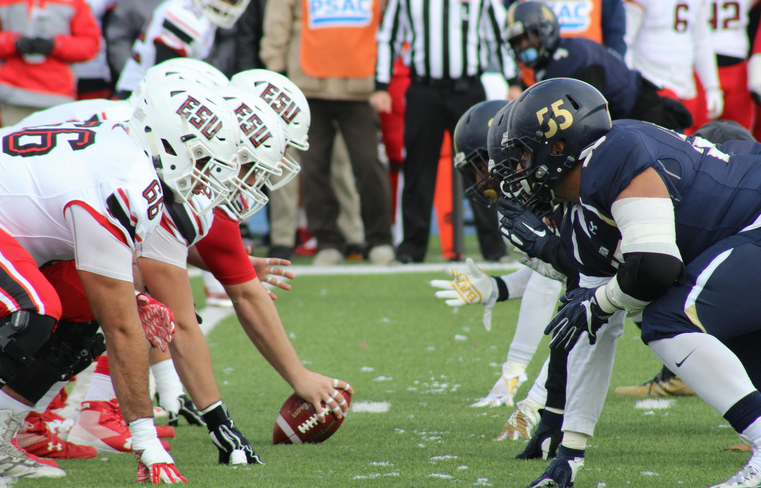
Big audiences have always pulled wagers toward them. What changed is the surface. A sports book once sat in its own lane, while television built the spectacle and sold the ads. Now the layers sit closer together. A championship game airs across broadcast, cable, apps, and social clips, while traders, fantasy players, and casual viewers track prices, props, and outcome contracts in the same hour. The screen still carries the drama, though it now carries a live market mood as well. For broadcasters, advertisers, and creators, that matters because price movement has become part of audience behavior rather than a side hobby tucked away in another tab.
The scale helps explain why the shift feels so fast. Nielsen said Super Bowl LIX drew 127.7 million viewers in February 2025, the largest audience in the game’s history. A year later, Super Bowl LX still pulled 125.6 million, which made it the second most watched Super Bowl ever measured by Nielsen. At the same time, the American Gaming Association estimated that Americans would legally wager a record $1.76 billion on Super Bowl LX alone. Those numbers tell you the same thing from two directions. The biggest live shows still gather huge crowds, and the crowd now expects some form of interactive stake, whether that means a sports bet, a fantasy pick, or a regulated event contract tied to what happens next.
That change is easiest to see in the spread of event contracts beyond old election and economics fare. By early 2026, even Super Bowl ad questions had made it into formal contract filings with the CFTC. One filing covered a contract framed around whether a brand would run an ad during a defined part of the Super Bowl. That sounds faintly absurd until you remember how television works now. The ad break is no longer dead air. It is content, meme fuel, brand theater, and a tradable proposition all at once. If you work in media, that should feel less like a novelty than a clue. The business has started pricing attention in finer detail.
The same drift shows up in fantasy products. Underdog offers a prediction-style product through its Predictions tab, while also running Pick’em formats and Drafts contests across many jurisdictions, with state availability changing by product, casino.org explains. That matters because the consumer does not always care which legal box the experience sits in. A viewer often sees one broad family resemblance: make a call, ride the moment, watch the number move, collect or miss. For industry analysts, that is the real expansion story. Event-based trading has grown by borrowing habits from wagering, fantasy, and streaming interfaces all at once, then packaging them in ways that feel more like modern media than old finance.
Streaming made the format feel native
Streaming pushed this along because it trained people to live inside constant live refresh. Amazon said its 2024 Thursday Night Football package averaged 11 per cent year over year audience growth, reached 103.1 million unique viewers across TNF, Black Friday, and an exclusive Wild Card game, and drew 22.1 million average viewers for that Wild Card matchup. That is a useful benchmark. Once a sports window lives on a platform built for instant data, personalized ads, and frictionless commerce, a companion market starts to look less like a bolt on and more like a natural extension of the screen. You watch, you chat, you shop, you predict.
Paramount reported 79 million Paramount+ subscribers in its fourth quarter 2025 results, with direct to consumer revenue up 10% year over year and Paramount+ revenue up 17 per cent. That matters because sports rights, news, and entertainment now travel through subscription stacks that want more engagement from each household. A platform that already carries NFL games, UEFA coverage, reality shows, and studio libraries has every reason to think in terms of layered participation. The audience used to watch the show and leave. Now the same household can watch, react, clip, join a paid tier, and follow a market tied to the show’s outcome or surrounding culture.
Regulation is shaping the next phase
This expansion still runs straight into regulation. The CFTC said in February 2026 that it holds exclusive jurisdiction over U.S. commodity derivatives markets, including event contract markets commonly called prediction markets. A year earlier, it had announced a roundtable covering customer protection, possible revisions to Part 38 and Part 40 rules, and wider event contract policy. Those statements matter because they show a field that has moved out of startup curiosity and into a proper jurisdiction fight.
For broadcasters and advertisers, the regulatory piece shapes who can partner, how odds or prices can appear on screen, what kind of audience education is required, and how a platform talks about risk. The media business likes a clean rights package. Event trading does not offer that luxury yet. It sits between gambling law, derivatives law, fantasy exemptions, and platform policy, with each category trying to pull the blanket toward itself. That keeps the opportunity real, though it also keeps the ground moving under it. Anyone building sponsorships around this space needs a steadier stomach than the average halftime pundit.
What the industry should actually take from it
Event-based trading expanded because it fits the logic of live media. It rewards immediacy. It thrives on audience knowledge. It gives advertisers more moments to matter. It turns outcomes, ad slots, and sports milestones into units of participation rather than mere plot points. Nielsen’s 2025 sports reporting kept stressing the same broader theme: live sport remains one of the strongest engines of engagement for brands and rights holders. Once that is true, adjacent forms of interactivity will keep trying to move closer to the center of the screen.
For viewers, the appeal is simple enough. A live event now offers more ways to join the action without leaving the feed. For networks, the attraction sits in retention, sponsorship, and data. For marketers, it offers new hooks built around moments that already command attention. And for anyone covering this shift, the key point is that it didn’t begin in a trading terminal. It began in mass culture, with giant sports nights, second screens, app habits, and a public now trained to expect that every live moment can be tracked, priced, clipped, and shared before the replay even ends.
A few points worth keeping in mind
- The biggest live sports windows still deliver enormous reach, with Super Bowl LIX at 127.7 million viewers and Super Bowl LX at 125.6 million.
- Streaming has made live interactivity feel ordinary, as Amazon’s 2024 NFL figures show.
- Event contracts have spread into sports and ad-related prompts.
Other posts by :
- 36 major airlines now committed to Starlink
- Quilty: Top 5 Washington Satellite show takeaways
- Space Wars: Starlink vs Amazon Leo
- Eutelsat seeks ISRO deal for launches
- Virgin Galactic sets prices for space tourists
- Devas vs Antrix rumbles on
- Shotwell makes TIME front cover
- Suitors eye Globalstar
- SpaceX: IPO offer in days?