
Viasat confident despite SpaceX threats
June 2, 2026
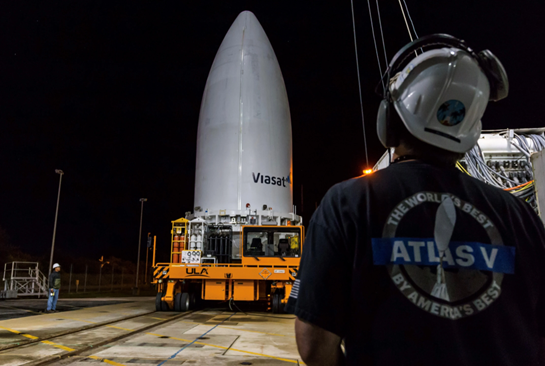
Geostationary satellite operator Viasat of California, which also owns UK-based Inmarsat, says it is confident that it can play a role in connectivity with airlines and their passengers despite the fast-growing success of SpaceX within in-flight communications and broadband supply.
Viasat is far from alone in geostationary satellite operators chasing airline connections. SES/Intelsat is also very active, for example (and has just won a contract with Mexico’s Viva). But Viasat says that Geo connectivity is far from dead.
Don Buchman, President of Aviation at Viasat, seems unfazed by the switch of airlines from geo to Low Earth orbiting (LEO) rivals. In an interview with Aerospace Global News (AGN), he said “We’ve always known competition was coming,” but reasoned that perhaps the LEO dream would not live up to the hype, long term.
“We knew we had an advantage, but we also knew that advantage was never going to stay static. It’s a large, attractive market, so of course it’s going to attract large players. All we can focus on is execution,” he added.
“The failure mechanism of any inflight connectivity system is really the same,” he continued. “It’s when you have more demand than supply. Supply means capacity.”
Viasat’s system (called Amara) brings together offers entertainment ‘to the seat’ as well as cockpit connectivity. As well as its own geostationary satellites, Viasat can also use LEO operators for a seamless multi-orbit suite of solutions.
However, as AGN mentions, the shift by Starlink to LEO – and perhaps other LEO players in due course – is inevitable given that Starlink can handle all passengers with multiple devices at multiple times the speeds of GEO providers.
Starlink has at least 38 airlines using its in-flight broadband service.
Other posts by :
- Iridium deal a “watershed” moment for Rocket Lab
- S&P adds Arqiva to CreditWatch negative list
- Bank: The AWS-3 winners
- Analyst: SpaceX and its cellular plans
- Vodafone Spain explains Sat-Connect Europe plan
- FCC praises AST SpaceMobile
- AST SpaceMobile’s August launch plan
- SpaceX post-IPO value trimmed
- Thailand’s National Telecom advised to give up satellite slot