
Data: Negative reaction to Six Nations in-game ads
February 16, 2026
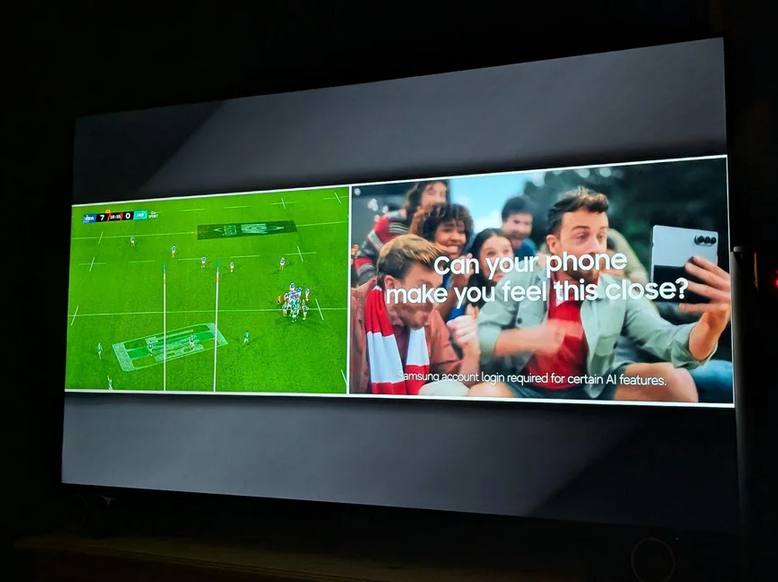
Data reveals that while in-game advertising during the Six Nations has delivered a considerable increase in online engagement for brands, the audience reaction hasn’t always been as positive.
According to research from adtech firm Quantcast measuring engagement across the open internet, Samsung recorded a 13 per cent increase in engagement, while Virgin Atlantic saw an 18 per cent uplift in the matches their adverts aired during scrum-related breaks in play.
Social listening data reveals a stark divide between reach and resonance. Samsung’s in-game presence generated 63 per cent negative sentiment, 32 per cent neutral and only 5 per cent positive. Virgin Atlantic experienced 80 per cent negative sentiment and 20 per cent neutral.
The brands and broadcaster testing pioneering new approaches to sports advertising resulted in the terms “boycott” and “annoying ads” being used significantly during the matches across social media in reaction to the split-screen format.
The data comes as broadcasters navigate the high costs of sports rights. Following a four-year agreement between ITV and BBC Sport, the Six Nations is set to remain free-to-air through 2029, ensuring the home nations’ competitive fixtures remain widely accessible. ITV had previously indicated that in-game advertising would help support the investment in coverage, framing it as an important way to fund free-to-air sport.
While the free-to-air mission remains intact, the data suggests that mid-match advertising represents a new viewing experience for fans, highlighting the need for careful consideration of how commercial formats are integrated into live sport.
Nisha Ridout, marketing director at Quantcast, commented: “This data exposes a friction point between commercial objectives and long-standing fan tradition. While in-game advertising is a proven engine for engagement, it clashes with the sacred, uninterrupted rhythm of UK rugby. US style mid-action ad formats do not translate automatically and represent a cultural challenge. For brands, the key takeaway is that visibility works best when it respects the viewing experience and the moments fans value. By opting for an omnichannel, data-led approach, brands can better understand when audiences are genuinely receptive rather than just present, allowing brands to deliver impact without disrupting the flow of the match. The goal is not to interrupt the game but to become a welcomed part of it.”
Other posts by :
- FCC eyes freeing up Weird Space Stuff spectrum
- SES happy with releasing 160MHz of spectrum for 5G
- Inmarsat “likely to win appeal” over Ligado/AST action
- FCC seeks fair play over foreign satellite access
- Bank raises RocketLab target price
- Ukraine wants its own LEO system
- SpaceX outlines Starlink cellular delivery plan
- NAB vs CTIA on C-band release