
Research: Streamers struggling to differentiate
March 23, 2026
A few months into 2026, media consolidation is in the air as Paramount is slated to acquire Warner Bros Discovery, Comcast has spun out its cable channels to Versant, and Hulu has been more deeply woven into Disney+. Streamers are super-sizing their ad-supported services and enhancing sports content to grow viewership.
The Evolution of Video Branding— Hub Entertainment Research’s annual study tracking consumer awareness and perceptions of streaming brands — continues to highlight that major streaming platforms still struggle to differentiate themselves, with US viewers unable to clearly articulate what sets one service apart from another.
Key findings include:
While most respondents have heard of the top streamers, people aren’t gaining clarity on what makes each service more special than another.
· Since last year’s survey, there has been no movement on viewer’s ability to confidently “explain what makes each brand different” from other brands – stalled at about two thirds of consumers for most top streaming brands.
Many platforms try to stand out through ‘Exclusive Originals’, but that approach falls short when original content has become table stakes across the entire streaming landscape. Consumers struggle to identify meaningful differences when it comes to value, usability or distinct content offerings.
· Among nearly all leading streaming services, ‘Exclusive Originals’ is considered a top ‘differentiating’ feature.
· Of note: Peacock’s February delivery of the Super Bowl and the Winter Olympics helped distinguish the platform on sports content.
In this sea of ‘Exclusive originals’, viewers are confused about where to find specific shows.
· Less than half of consumers could correctly pinpoint where they could watch signature shows like Landman (Paramount+), The Pitt (HBO Max) and High Potential (Hulu/Disney+).
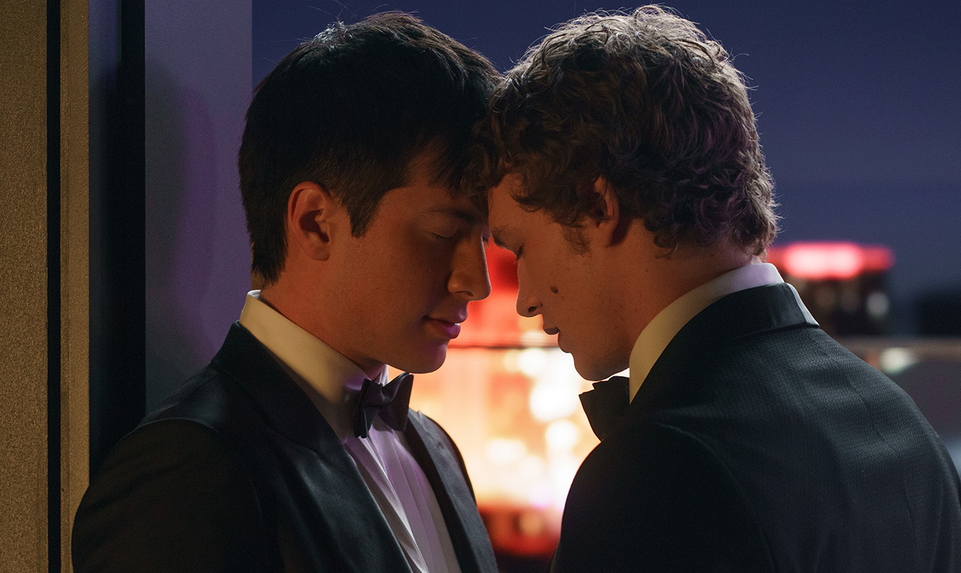
· Barely one out of 10 consumers could correctly identify where to watch the recently hyped Heated Rivalry (on HBO Max).
Across this crowded streaming landscape, YouTube has continued to encroach on traditional streamer territory with its popular social/creator content and growing portfolio of long-form viewing.
· While many viewers still consider YouTube primarily a social/creator platform, a similar amount of people consider YouTube more of a ‘TV network/streaming service’.
· Younger viewers are more likely (32 per cent) to consider YouTube more of a ‘TV/streaming service’ than older viewers age 35+ (24 per cent).
“As the industry faces more consolidation, streamers need to consider how their originals strategy can move beyond seasonal hits and lever up to more brand-defining distinctions that make them stand out from the crowd,” commented Jason Platt Zolov, Senior Consultant for Hub and study author. “Being able to clearly own ‘quality, ‘value,’ or a specific genre of content in the eyes of consumers is critical to get them to say yes to a service, especially when they can’t remember where to watch specific shows.”
These findings are from Hub’s 2026 Evolution of Video Branding report, based on a survey conducted among 1,601 US consumers ages 16-74 with broadband access. Interviews were conducted in February 2026.
Other posts by :
- EchoStar’s Dish restructures debt obligations
- AsiaSat hits Zee and JioStar with legal actions
- Nvidia unveils orbital chip/computer for AI and data
- Space Sector: ‘Profound Acceleration in 2026’
- Starcloud wants 88,000 satellites
- Lynk Global requests “experimental” satellite access
- Safran Space links laser direct to satellite
- SpaceX fearful of AST SpaceMobile’s potential?
- Equatys wants 2,800 new satellites