
The evolution of news consumption: The rise of TV platforms in in-car systems
December 15, 2025
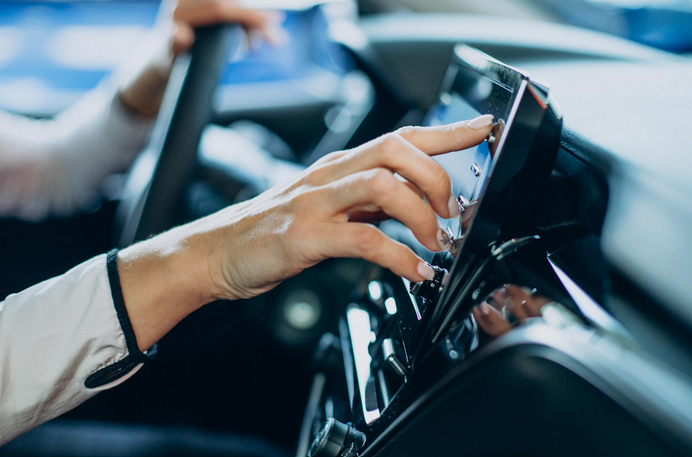
In the business world, «No deposit» is about trust and saving time: no need to freeze money or go through unnecessary checks. Information consumption follows a similar logic: people want to get the most important information in a minute, especially when they are on the move.
Therefore, the rent Escalade Dubai, provided without a deposit requirement by Trinity Rental, is gradually becoming a way for people to consume news as naturally as navigation or music: in the form of short summaries and audio when they drive. This is the topic that requires a more detailed look to fully understand how news consumption has changed over the years, especially now in the golden internet era.
How News Consumption Has Changed – From Living Room TV To Car Screen
For decades, television was the primary source of news. People planned their days around news broadcasts, evening analysis shows, and special reports. However, with the development of the internet and mobile devices, this traditional model began to change rapidly. News became available 24/7, in any format, and on any screen – from smartphones to smartwatches.
The next stage of this evolution turned out to be closely linked to automobiles. Modern people spend increasingly more time on the road: commuting to work, attending meetings, traveling, and going on business trips. It is logical that the car has become the new space for content consumption. While drivers previously relied on radio, today users have access to fully-fledged multimedia systems with screens, internet access, and integrated streaming services.
TV platforms quickly picked up on this. Classic TV is gradually losing ground: news channels are creating dedicated apps for in-car screens – Apple CarPlay, Android Auto, and automakers’ built-in systems. This is changing the way they present content: less of that «television-heavy» content, more short, easy-to-understand segments that are convenient to watch or listen to on the go.
The popularity of in-car multimedia platforms is growing not only due to new technologies. Time management habits are changing: many people view commuting as a part of the day, which they want to fill with something useful. Therefore, news, podcasts, and short «on-the-go» formats are becoming the norm – driving is no longer an empty wait. The car increasingly functions as an extension of the personal digital environment, alongside a smartphone and laptop.
From a user standpoint, some of the key features of the Trinity car rental service form the car as a mobile media space, are:
- New cars with minimal mileage (2024 models available).
- Car delivery to any location.
- Payment by cash, card, or crypto.
- A full tank of gas is complimentary.
- Dedicated manager.
- Driver available if needed.
- 300 km per day included in the rental.
- Tax included in the rental price.
By creating the most comfortable conditions in the car, it is possible to transform this space into a fully-fledged media center, where, among other things, we can conveniently follow the news. The car is no longer just a means of transportation but a space where people can receive information, follow global events, and stay connected to the latest news, without sacrificing comfort and freedom.
TV Platforms in Automotive Systems
Modern in-car systems have long since expanded beyond navigation and music. Large touchscreens, voice assistants, and constant internet connectivity make it possible to integrate video content and live broadcasts. This is where television platforms are finding a new audience – mobile, active, and affluent.
News formats play a particularly important role. Short videos, digests, live streams of key events, and audio analytics are all in demand in the car. Television brands with a high level of trust gain a significant advantage: users are more likely to turn on a familiar news channel than to search for information from random sources.
The more popular these platforms become, the more they impact how media distribute and package content. Television is getting a second chance, largely due to its integration into in-car interfaces. As a result, the very logic of production is changing: dedicated «on-the-go» programming is emerging, where pacing, clear navigation, and quick turnaround are key. This is driving not only news, but also analytical shows, interviews, and documentary formats.
At the same time, automakers also benefit from collaboration with media companies. The presence of integrated TV and news platforms increases the value of a car in the eyes of the consumer. A car ceases to be simply a means of transportation and becomes a high-tech space for work, relaxation, and information. This is especially relevant for the premium segment, where users expect the highest level of comfort and digital capabilities.
Several key factors are driving the growth of TV platforms in in-car systems:
- The development of high-speed mobile networks and 5G ensures stable streaming.
- The increasing size and quality of in-car screens.
- Growing trust in professional news brands.
- Changing audience habits, which are focused on multitasking.
- The desire of automakers to differentiate themselves through digital services.
Interestingly, this trend echoes the general philosophy of next-generation services – minimal restrictions, maximum convenience. As with the «Rent without deposit» approach, users do not want to deal with unnecessary terms, complex settings, and lengthy registration processes. They expect news to be immediately accessible, intuitive, and barrier-free.
What The Future Holds
The role of the car as a media space will likely grow. As cars become more equipped with driving assistants and semi-autonomous modes, people will increasingly focus their attention not on the road but on what’s happening on the screen and in audio. While driving around the city, in traffic jams, or on familiar routes, news easily becomes background noise, conveniently listened to or watched in short bursts.
Therefore, the idea of «the premium car as another screen» does not seem futuristic, but a logical continuation of what’s already happening with smartphones and smart TVs. Platforms that tailor news to the road – briefly, personally, contextualized for time and route will attract a new audience. The car is no longer a quiet place between points A and B: increasingly, it is a place where people stay connected to information, even while driving.
Other posts by :
- Bank: “Charter racing to the bottom”
- SpaceX IPO in June?
- Russia postpones Starlink rival
- Viasat taps Ex-Im Bank to finance satellite
- Bank: TeraWave not a direct threat to AST SpaceMobile
- SpaceX lines up banks for IPO
- SES to FCC: “Don’t auction more than 160 MHz of C-band”
- Morgan Stanley downgrades Iridium