
Why flexible climate control matters in multi-room media environments
March 3, 2026
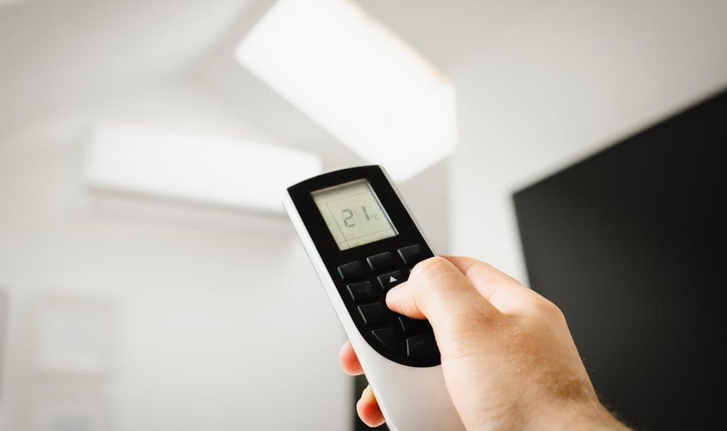
One thermostat cannot handle a podcast studio, a video-editing bay, and a server closet at the same time.
Multi-room media environments create different heat levels in every space, yet many facilities still rely on a single temperature setting. Flexible climate control keeps creativity flowing while protecting expensive equipment.
Studios today are dynamic, tech-heavy spaces. Items like cameras, mixing boards, gaming rigs, and rack servers all generate heat in different ways. Without room-specific control, comfort suffers, and so does performance.
Different Rooms Create Different Heat Loads
Media spaces are rarely uniform. A soundproof recording booth traps heat, while an open editing suite may fluctuate depending on how many people are inside.
Even moderate temperature increases affect perceived comfort and work output. In a study available through ScienceDirect, researchers observed measurable drops in productivity as indoor heat levels rose.
For media teams working under deadlines, even a small dip in focus can slow production timelines.
Flexible climate control allows each room to respond to its own conditions. Equipment-heavy rooms can stay cooler, while collaborative spaces remain comfortable without overcooling the entire facility.
Flexible Climate Control Improves Comfort and Focus
Creative professionals need stable environments to do their best work. Temperature swings can feel minor at first, but they quickly become distracting during long recording or editing sessions. According to the World Meteorological Organization, productivity can decline by 2 to 3 per cent for every degree above 20°C. A slight rise in room temperature may not seem serious, yet over a full production day, it can translate into slower edits, repeated takes, and fatigue.
Room-by-room control removes that friction. Engineers in control rooms can maintain cooler air to offset equipment heat, while talent in on-camera studios stay comfortable under lighting rigs. Personalised zones reduce thermostat conflicts and help everyone stay focused.
Equipment Protection Requires Targeted Cooling
High-performance media equipment is sensitive to temperature. Overheating can shorten component life, increase maintenance costs, and trigger unexpected shutdowns.
Elevated heat impacts performance and system stability in occupational settings. But heat stress does not just affect people; electronics also experience strain when temperatures climb. In a live production setting, a thermal shutdown can halt an entire broadcast.
Targeted cooling ensures that rack rooms, AV hubs, and server closets stay within safe ranges.
Zoning Reduces Energy Waste in Multi-Room Facilities
Energy efficiency matters, especially in media environments that operate on varied schedules. Not every studio runs at full capacity all day.
Adjusting temperature by zone instead of conditioning an entire floor improves comfort and efficiency. It can easily be achieved by using multi-zone mini split systems to create independent temperature zones.
Media facilities benefit because empty editing suites do not need the same cooling output as active broadcast rooms, for example.
Zoning supports smarter operation in several ways:
● Cooling only occupied rooms lowers overall energy demand
● Independent units prevent over-conditioning low-load spaces
● Programmable settings align climate control with production schedules
Lower energy waste does not mean sacrificing performance. Flexible systems maintain stable temperatures where they matter most while trimming unnecessary runtime elsewhere.
Flexible Systems Support Scalability and Future Growth Media environments evolve quickly. New gear, additional editing stations, or expanded podcast studios can change heat loads almost overnight.
Traditional single-zone systems struggle to adapt without upgrades. Zoning solutions provide flexibility because additional indoor units can be integrated as needs grow. Facilities planning future expansion benefit from systems that scale without requiring full HVAC replacement.
Independent zone control also simplifies renovations. Production managers can reconfigure spaces without redesigning the entire climate system. Long-term adaptability protects both budgets and workflow continuity.
Why Flexible Climate Control Matters in Multi-Room Media Environments
Multi-room media facilities demand precision, comfort, and reliability. Flexible climate control addresses uneven heat loads, protects sensitive equipment, and supports focused creative work without wasting energy.
Media teams investing in adaptable systems position themselves for smoother productions and fewer technical disruptions.
The right approach to flexible climate control keeps your media environment performing at its best while leaving room to grow. So, if you are planning a new studio build or upgrading an existing facility, explore zone-based solutions that match your layout and workload.
Other posts by :
- Orbex was losing £2m per month
- McKinsey: ‘Star Wars Day’ sees Aerospace at an Inflection point
- US spectrum shuffle could earn SES billions
- FAA plans to tax rocket launches
- Could someone buy AST SpaceMobile?
- FCC: D2C is set for ubiquitous connectivity
- SpaceX continues complaints over Amazon Leo
- Starlink struggling for approval on South Africa, India
- Impressive Starlink deployment rate