
Open Cosmos wins Liechtenstein frequencies
January 15, 2026
By Chris Forrester
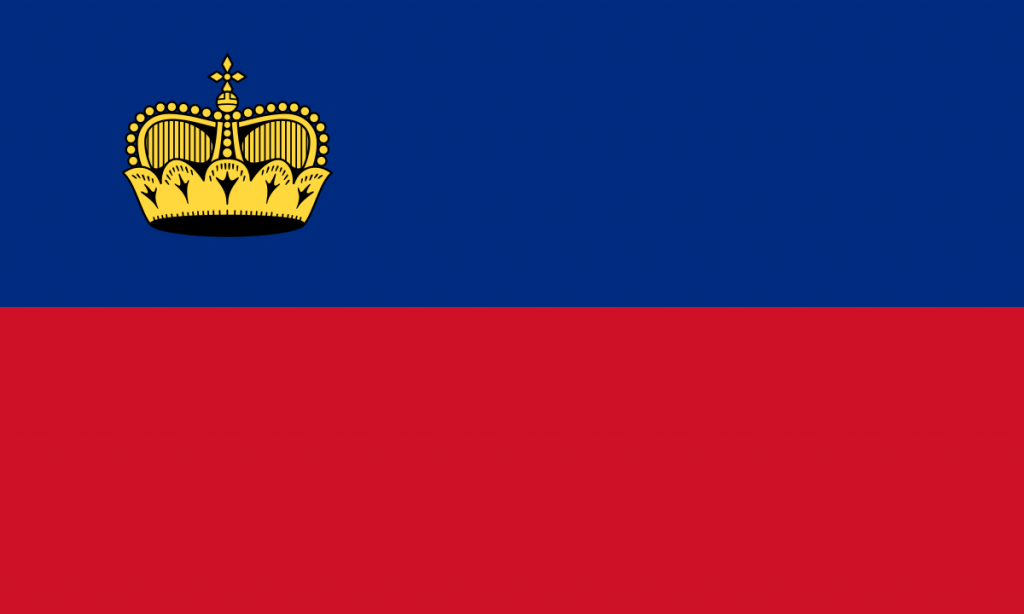
The spectrum regulator in Liechtenstein has granted key high-priority Ka-band radio frequencies to UK-based Open Cosmos. It means that Rivada Space Networks is denied avccess to the spectrum.
Hubert Büchel, Minister of Home Affairs, Economy and Sport of Liechtenstein, commented: “This decision underscores Liechtenstein’s commitment to making use of the frequencies allocated to us. We are pleased that, through this filing, with Open Cosmos, we are putting them to good and effective use.”
The UK Government was fully supportive of Open Cosmos’ quest to be awarded these scarce filings. Space Minister Baroness Liz Lloyd said: “This is fantastic news for Open Cosmos and for the UK’s thriving space sector. Securing these valuable spectrum filings is a testament to British ingenuity and ambition, and I’m delighted to see a UK company leading the way in building reliable satellite communications systems for the future. With the potential to create hundreds of highly skilled manufacturing and engineering jobs at their Harwell facility, this project demonstrates exactly how our space industry is delivering real opportunities for people across the country while cementing the UK’s position at the forefront of the global space economy.”
Rafel Jordá Siquier, Founder and CEO of Open Cosmos, added: “Securing these Ka-band Liechtenstein filings is a defining moment for Open Cosmos, as we gain an invaluable opportunity to realise and achieve Europe’s space ambitions and true potential. With our full-stack approach to satellite design, manufacturing, launch and continued operation, we will be quick to deploy and will see our first satellites go up in the coming weeks.”
Open Cosmos, which already provides its full range of services to governments in the UK, Portugal, Greece and Spain, will launch its first two satellites of this new constellation in Q1, 2026. These satellites have been manufactured at Open Cosmos’s headquarters in Harwell, Oxfordshire, with teams across Spain, Portugal and Greece contributing to the programme.
Rocket Lab is confirmed as launch partner for two ‘demo’ LEO satellites, with lift-off scheduled from Mahia, New Zealand and thus the frequencies will be “brought into use” and partly satisfy the ITU’s mid-2026 obligation top launch 144 satellites into orbit by June. The larger problem is the other 142 satellites, their financing and build.
As for Rivada’s position, it is worth remembering that in July 2025 – when the loss of the Liechtenstein frequencies was first suggested for non-payment of fees (‘payment default’) – Rivada’s CEO Declan Ganley said that he was “confident” that Rivada would regain access to the Liechtenstein frequencies. That is clearly now not so.
A source at Rivada stated that it had “long ago” separated it’s plans from the Liechtenstein filings. However, Rivada has an additional ITU filing negotiated with Germany’s frequency regulator.
Other posts by :
- Laser terminals to operate at 100x faster
- Starlink success in Spain, but South Africa proves difficult
- RocketLab doubts over Mynaric bid
- IRIS2 free for government usage?
- Bank: AST SpaceMobile will orbit 356 satellites by 2030
- SpaceX launches 600th rocket
- Starlink: 10m customers and counting
- SES predicts end of ‘big’ Geo satellites
- Amazon Leo gets approval for 4,504 extra satellites