
eSIMs and virtual numbers: The connectivity layer reshaping TV and streaming workflows
December 15, 2025
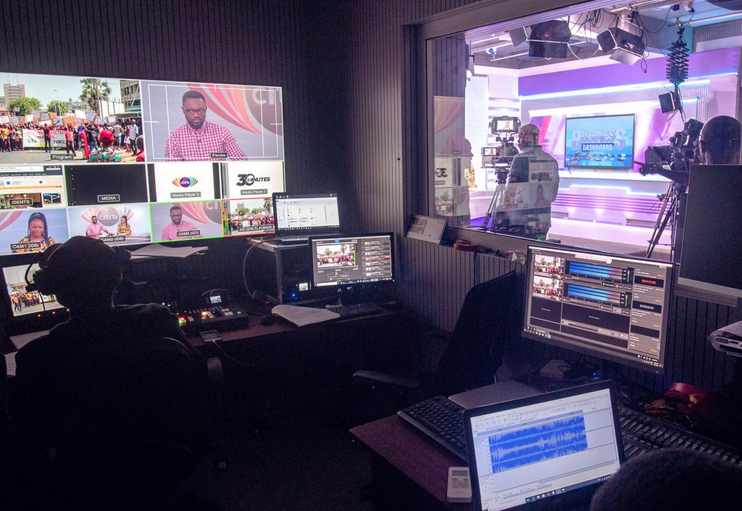
The television and streaming industries continue to evolve beyond traditional broadcast boundaries, with content creation, distribution and consumption now deeply reliant on mobile connectivity. As production teams operate across borders and streaming platforms pursue global audiences, the infrastructure that supports secure, flexible communication has become an increasingly strategic concern. Among the technologies drawing greater attention are eSIMs and virtual phone numbers, both of which are beginning to play a supporting role in how TV and streaming businesses operate day to day.
At a time when content workflows are distributed across multiple regions, mobile connectivity is no longer limited to consumer viewing habits. From international news gathering and live sports production to rights management and platform operations, professionals across the TV value chain depend on reliable, location-agnostic access to data and voice services. Traditional SIM cards and fixed phone numbers, designed for domestic use, often struggle to meet these demands efficiently.
This is where eSIM technology and virtual phone numbers enter the picture. Providers such as eSIM Plus and others offer software-based connectivity that removes the need for physical SIM swaps while allowing users to activate local or global data profiles remotely. Although primarily associated with travel and enterprise mobility, these tools are increasingly relevant to broadcasters, streamers and media technology vendors seeking more agile operational models.
Connectivity Pressures in Modern TV and Streaming Operations
The growth of global streaming services has transformed production and distribution into borderless activities. Major platforms now commission content in dozens of countries, while broadcasters routinely deploy crews to cover international events. At the same time, technical teams, rights holders and platform operators must coordinate across time zones using secure communication channels.
Mobile data connectivity is central to these activities. Journalists and production staff rely on mobile networks to upload footage, access cloud-based editing tools and communicate with headquarters. Engineers and platform managers depend on mobile access for system monitoring, testing apps on different networks and responding to service issues in real time. In many cases, this work takes place outside the reach of fixed broadband.
Physical SIM cards, however, introduce friction. Roaming costs, delayed provisioning and limited flexibility can slow operations or increase expenses. For organisations operating at scale, managing multiple SIMs across regions can also become an administrative burden.
How eSIMs Fit Into Media Workflows
An eSIM is embedded directly into a device and can be provisioned remotely with different network profiles. For TV and streaming professionals, this means connectivity can be activated or changed without replacing hardware. Devices such as smartphones, tablets, laptops and even some broadcast equipment can be connected as soon as they are deployed.
In production environments, eSIMs allow crews to arrive on location with devices already configured for local networks, reducing setup time. For streaming platforms testing applications or services in different markets, eSIMs enable engineers to simulate local user conditions without sourcing physical SIMs in each country.
Virtual phone numbers complement this by providing location-independent voice and messaging capabilities. These numbers can be assigned temporarily to projects or teams, helping organisations manage communication without exposing personal numbers or relying on country-specific lines.
Security, Identity and Rights Management Considerations
Beyond convenience, eSIMs and virtual numbers have implications for security and identity management in the media sector. Streaming platforms and broadcasters handle sensitive information, from unreleased content to commercial agreements. Secure communication channels are therefore essential.
Virtual phone numbers can be used to segregate professional communications from personal ones, reducing risk when working with freelancers or external partners. In some cases, they are also used for multi-factor authentication tied to platform access or content management systems.
From a compliance perspective, having the ability to assign local numbers in specific markets can help organisations align with regional regulations around communication and data access. While these tools are not a replacement for broader cybersecurity measures, they form part of a layered approach to operational security.
Implications for Live and Remote Production
Live production remains one of the most connectivity-intensive areas of the TV industry. While satellite and dedicated fibre links continue to play a role, mobile networks are increasingly used as backup or supplementary connections, particularly for smaller crews or remote locations.
eSIM-enabled devices can switch between networks more easily, improving resilience if coverage issues arise. This flexibility is particularly relevant for news organisations and sports broadcasters operating in unpredictable environments.
Remote production models, accelerated by recent years of operational change, also benefit from mobile connectivity that can be deployed rapidly. Editors, producers and technical staff working away from central facilities require dependable access to shared systems, often via mobile networks.
Providers Active in the eSIM and Virtual Number Space
A growing number of connectivity providers now operate in the eSIM and virtual phone number space, with offerings that intersect indirectly with television, streaming and media workflows. These services are typically positioned around enterprise mobility, international operations and cross-border communication rather than consumer entertainment use.
eSIM Plus is one such provider, offering global eSIM data plans alongside virtual phone number options aimed at users who require consistent connectivity across multiple territories. Its services are commonly used in travel and remote working contexts, which overlap with the needs of mobile production teams and international media operations.
Other players include Airalo, which focuses on regional and global eSIM data coverage and is often used for short-term international connectivity, and Ubigi, which has positioned itself around enterprise and automotive connectivity but also supports mobile devices used in professional environments. Truphone, now part of a broader IoT and enterprise connectivity portfolio, offers eSIM solutions with an emphasis on managed services and multi-network access.
In the virtual number segment, providers such as Twilio, Vonage and Plivo supply programmable voice and messaging numbers that are frequently integrated into business communication systems. These platforms are not media-specific, but they are widely used by technology companies, including streaming services, for operational communication, customer support and authentication workflows.
While capabilities and pricing models differ across providers, common features include remote provisioning, flexible number assignment and broad international coverage. For broadcasters and streaming platforms, these services tend to be evaluated as part of a wider connectivity and communications strategy rather than as standalone products.
A Supporting Role in the Streaming Ecosystem
It is important to note that eSIMs and virtual phone numbers do not directly affect content quality or viewer experience. Instead, they operate as enabling technologies that support the people and systems behind the scenes.
As streaming platforms expand into new territories, the ability for teams to operate with local connectivity from day one can reduce friction during launches. For broadcasters maintaining international bureaux, simplified connectivity management can lower overheads and improve responsiveness.
The growing reliance on cloud-based production and distribution tools further increases the importance of reliable mobile access. In this context, software-defined connectivity aligns with broader industry trends toward virtualisation and remote operation.
Looking Ahead
The TV and streaming industries are unlikely to see eSIMs and virtual phone numbers become headline technologies. Their role is more subtle, supporting the infrastructure that allows global operations to function smoothly. However, as connectivity demands continue to rise, the advantages of flexibility, scalability and reduced dependency on physical components are difficult to ignore.
For media organisations evaluating their operational toolkits, eSIMs and virtual numbers represent another option in an increasingly software-driven environment. As devices, networks and workflows become more integrated, these technologies are expected to find a steady, if understated, place in the evolving media landscape.
Other posts by :
- Virgin Galactic sets prices for space tourists
- Devas vs Antrix rumbles on
- Shotwell makes TIME front cover
- Suitors eye Globalstar
- SpaceX: IPO offer in days?
- Forecast: SpaceX tracking to $20bn revenue in 2026
- EchoStar’s Dish restructures debt obligations
- AsiaSat hits Zee and JioStar with legal actions