
Broadcasters worry ABC early licence review sets dangerous precedent
July 24, 2026
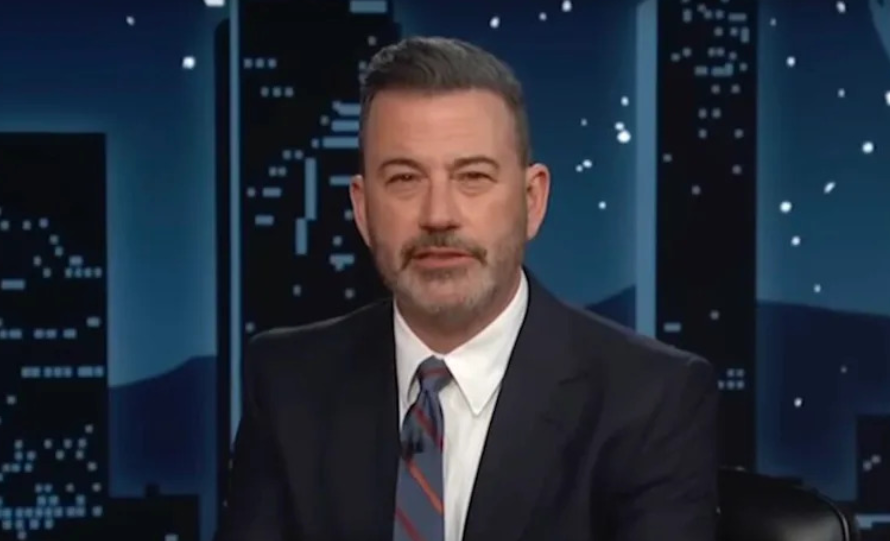
Eight ABC-owned stations filed for early licence renewals ‘under protest’ on May 28th. This came after the FCC ordered the Walt Disney Co.-owned network to do so, a first for a major broadcaster in 50 years.
FCC Chairman Brendan Carr has asserted that the licence review is not politically engineered, even though the order came a day after the US President and his wife publicly lobbied for ABC to fire late-night show host Jimmy Kimmel. But rather, he said it is an ongoing probe into Disney’s diversity, equality, and inclusion initiatives. But industry groups are not buying it.
The National Association of Broadcasters (NAB), through its President and CEO Curt LeGeyt, has slammed the FCC, calling the request “unprecedented” and “creating uncertainty for all broadcasters.”
‘An Extraordinary Demonstration of Power and Coercion,’ ABC Fires Back at FCC
Over the years, the President has openly nudged broadcasters to drop news and comedy programmes that have been critical of him or that he dislikes. In support, the FCC has also repeatedly threatened to revoke broadcasting licences from the President’s least liked networks. And if this latest move against ABC has not been clear enough, the FCC issued another public notice on May 29th, reminding all “broadcasters” of their “public interest obligations.”
So when Carr says the early licence renewal order stems from Disney’s rope-a-dope approach in responding to the agency’s document request, as noted by Casino.com, critics say the explanation strains credulity, given the timeline.
ABC wasted no time firing back. In its filings, the network argued the FCC’s order contradicts its own regulatory standards and violates fundamental press protections. It contended that the licence review is merely a thin cover for suppressing content the government dislikes.
In their view, the commission is manufacturing a regulatory justification to accomplish what it cannot do openly: punish a broadcaster for its editorial choices. ABC also characterised the move as an attempt to silence dissenting voices wrapped in the language of bureaucratic procedure, something that runs counter to First Amendment principles and sets a chilling precedent for the entire industry.
The FCC’s Mounting Scrutiny Over ABC
The early licence renewal order did not emerge from nowhere. A closer look reveals the FCC has been pursuing a series of regulatory investigations into ABC Television’s content for nearly a year. And that’s after ABC News Reporter George Stephanopoulos agreed to pay a $15 million defamation settlement back in December 2024.
In March 2025, the FCC opened an investigation into the broadcaster’s DEI policies. An investigation that ABC says has produced over 11,000 pages worth of documentation in response.
Next came a public question from Carr, where he asked whether ABC’s broadcast of The Jimmy Kimmel Show violated the agency’s news distortion policy, a regulation so rarely invoked that most broadcasters consider it dormant. Months later, the FCC opened a new line of investigation into whether The View violates equal-time rules. This is despite the fact that interview segments on talk shows have traditionally been exempt from such regulations.
Most recently, Carr’s commission announced it would solicit public comments on whether The View even qualifies as a news programme. A question that critics say is designed to strip the show of its news exemptions and expose it to greater regulatory scrutiny.
Each action appeared selective and aggressive, targeting only ABC content while allowing similar programming on other networks to operate unencumbered. Together, they paint a picture of cumulative regulatory pressure and an inevitable consequence of months of escalating investigations, each one narrower in scope yet broader in implication. The early licence renewal order, viewed in this context, represents the logical endpoint of a deliberate campaign.
A First for the FCC in Half a Century: A Warning for Broadcasters
The FCC’s move against ABC is historically rare for a practical reason: it’s nearly impossible to deny a broadcast licence. The legal bar is extraordinarily high, and any denial would trigger years of hearings and court challenges during which the broadcaster can continue operating normally.
So what’s the real impact? Legal analysts and press freedom advocates argue that the process itself is the weapon. The investigation, the paperwork, and the regulatory scrutiny become the punishment, regardless of the outcome.
What concerns press freedom advocates most is the precedent. If the FCC can weaponise its licensing authority against content it dislikes, no broadcaster is truly safe. The agency does not need to win in court to achieve its goal as the investigation alone forces resources into legal defense, creates operational uncertainty, and sends a chilling message to other networks.
FCC’s lone Democratic commissioner, Anna Gomez, called it the most egregious First Amendment violation her commission has committed. Media lawyers warn that this crosses a line the FCC has historically respected, which is that the agency’s role is not to police content, whether news or comedy. For the broadcasting industry, the message is clear: compliance with political pressure may not provide protection anymore.
Other posts by :
- Musk: “AI is inevitable”
- Airbus Space says business is booming
- AST SpaceMobile gets permission for giant factory
- Questions over AST SpaceMobile’s spending plans
- Bank: AST SpaceMobile is favoured
- Amazon Leo gains South Africa link
- Eutelsat wants an extra 528 satellites
- FCC approves orbital space mirrors
- Analysts: “Unknown Unknowns for SpaceX”