
EBU members deliver most-watched Winter Olympics ever
February 26, 2026
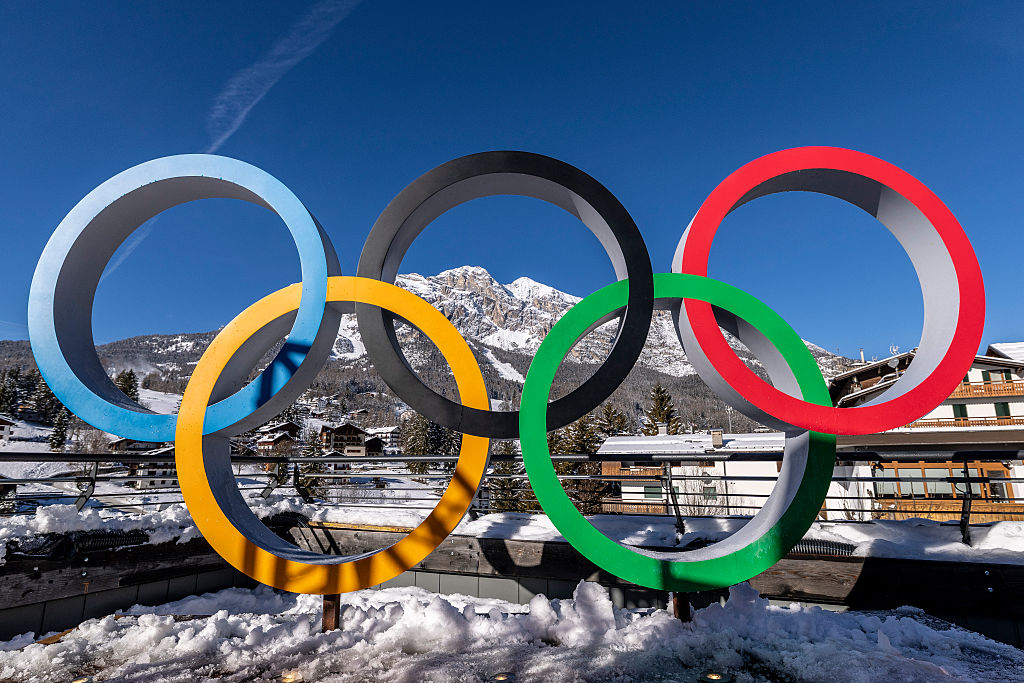
European Broadcasting Union (EBU) Member broadcasters have delivered their most successful Winter Olympic Games ever, with Milano Cortina 2026 achieving record-breaking reach and exceptional engagement across Europe.
Spanning linear and digital platforms, public service media consistently outperformed their typical market shares, dominating national viewing charts and bringing the Games to hundreds of millions of viewers free-to-air.
In Austria, ORF’s coverage of Milano Cortina 2026 became the most watched Games in the broadcaster’s history, reaching 6.138 million viewers, or 81 per cent of the TV population aged 12 and over, across more than 500 hours of coverage on ORF 1 and ORF SPORT +.
Digital engagement was also record-breaking, with 290 million minutes streamed, 28 million video views and 7.6 million net views, marking ORF’s strongest Olympic performance online since measurement began.
Česká televize reported that total coverage of the Winter Olympics on ČT Sport and ČT Sport Plus reached approximately 7.39 million viewers. This marks a substantial increase compared with the 5.46 million reach for Beijing 2022, benefiting from the favorable European time zone.
The most-watched broadcast of the Games was the Czechia vs Canada ice hockey quarter-final, which averaged around 2.3 million viewers with a 59.5 per cent audience share, and achieved a total reach of nearly 3.9 million viewers.
In Finland, Yle reached 4.5 million viewers on linear broadcast, up from 4.1 million for both Beijing 2022 and Paris 2024. Daily TV reach averaged 2.5 million viewers and an average market share of 47.9 per cent, while the ice hockey semi-final between Canada and Finland peaked at 2 million.
Digital audiences were also record-breaking, with 898 million minutes viewed on Yle Areena, marking 69 per cent growth from Paris 2024 and 165 per cent growth compared with Beijing 2022.
In France, more than 50 million viewers followed coverage on France Télévisions, delivering a higher reach than Torino 2006. France 2 peaked at 6.5 million viewers, capturing a 52 per cent audience share, during coverage of the French biathletes’ gold and silver medal triumph.
In Germany, ARD and ZDF delivered similarly strong performances. ARD reached around 40 million viewers on Das Erste, equivalent to almost half of the German population. Its Olympic broadcasts averaged 3.14 million viewers with a 23.2 per cent market share, rising to 34.5 per cent among 14–29-year-olds, while peak audiences hit 6.79 million for the doubles luge bronze medal race. Digital engagement was particularly strong, generating more than 85 million video views across the ARD Mediathek and Sportschau.de, including over 65 million livestream views, with the first week marking the highest usage in ARD Mediathek history.
ZDF recorded an average viewership of around 3.2 million and a 23.3 per cent market share across its coverage. Peak events, including luge and the biathlon mixed relay, attracted more than 6.5 million viewers, with the mixed relay reaching a 45.6 per cent share. The Closing Ceremony was watched by approximately 4.28 million viewers, achieving an 18.9 per cent market share.
In Italy, engagement reached exceptional levels in the host nation, with two out of three Italians watching RAI’s coverage of the Games marking a higher proportion than for Paris 2024. The Opening Ceremony attracted more than 9.2 million viewers and a 46 per cent share, while the Closing Ceremony drew over 6.2 million viewers and a 31 per cent share, demonstrating sustained nationwide interest from start to finish.
In the Netherlands, NOS coverage reached approximately 12.3 million viewers in the Netherlands, representing around 73.8 per cent of the population, across the Games period.
In addition to strong linear TV reach, NOS recorded substantial digital engagement, with around 55 million visits to Olympic content via NOS.nl and the NOS app, and approximately 17 million livestream starts during the Winter Games.
NRK delivered record engagement for its coverage across Norway, reaching 4.1 million people across linear TV and online, equivalent to around 87 per cent of the population aged 10–79. The most-watched event was the men’s 50 km mass start in cross-country skiing, which averaged 839,000 viewers, achieved a 94 per cent market share, and peaked at 1.178 million viewers.
Digital performance was also strong, with 14.7 million total hours viewed on NRK TV during the Games and a digital reach of 2.169 million people, or 45.7 per cent of the population, on NRK TV alone. The platform set multiple daily records, including a peak of 2.5 million hours viewed in a single day.
In Poland, TVP recorded significant growth compared with Beijing 2022, with TVP 1 averaging 621,697 viewers for live Olympic coverage, while TVP Sport more than doubled its Beijing performance, averaging 270,286 viewers.
Digital engagement was also strong, with 1.6 million users visiting the dedicated Milano Cortina website, generating 10.8 million views.
In Sweden, SVT reached 7.4 million viewers with its coverage, meaning that around seven out of ten Swedes watched the Games on SVT. This represents the broadcaster’s highest Olympic reach since it last held the rights in 2012, despite having live rights to only around half of the events.
Digital performance was also strong, with close to 4 million people reached online, and nearly 40 million video starts across live streams and clips combined.
RTV SLO recorded its strongest Olympic broadcast performance in a decade, reaching 75 per cent of the population in Slovenia, or around 1.43 million people, across TV, radio and digital platforms. More than 200 hours of original programming drove strong engagement, with ski jumping on 15 February peaking at a 66 per cent audience share and averaging 583,300 viewers per minute.
Social media video content added almost 6 million additional views, signaling strong nationwide cross-platform reach.
In Slovakia, STVR delivered historic results during its Milano Cortina 2026 coverage, led by the Olympic ice hockey quarterfinal between Slovakia and Germany. The match averaged 835,000 viewers aged 12+ on the :Šport channel with a 66.8 per cent market share, peaking at 956,000 viewers, and became the most-watched programme across the entire Slovak TV market, outperforming major news broadcasts.
Online engagement was also record-breaking, with just under 843,000 livestream plays on stvr.sk – the highest ever recorded for the platform. Combined hockey and alpine skiing coverage generated over 1.13 million online plays, while peak data traffic exceeded 1,225 Gbit/s, underlining exceptional cross-platform demand.
In Switzerland, SRG broadcasters RTS, RSI and SRF reached 4.8 million TV viewers with its coverage of the Games. Alpine skiing proved particularly popular, with several men’s and women’s races averaging over 1 million viewers nationwide and delivering market shares of around 80 per cent. The men’s downhill drew 1.2 million viewers, the women’s downhill 1.1 million, and the men’s giant slalom 1.1 million. Ice hockey and curling also generated strong audiences, reaching 2.4 million and 2.3 million viewers respectively across the event.
Beyond linear broadcasting, SRG’s digital platforms recorded more than 30 million livestream views, demonstrating significant cross-platform engagement throughout the Olympics.
In Ukraine, Suspilne adapted its Milano Cortina 2026 coverage strategy in response to nationwide electricity shortages, placing increased emphasis on digital distribution and social media highlights while maintaining a strong linear presence on Suspilne Sport. The linear channel achieved a reach of approximately 5 million Ukrainians, while the Suspilne Sport YouTube channel also reached 5 million users, marking a platform record.
Social media engagement reached new highs, with 66 million views across YouTube, Instagram and TikTok, the broadcaster’s strongest Olympic performance ever on social platforms. Website streaming also delivered record Winter Olympic results in Ukraine, generating 714,473 hours watched with an average viewing time of 24 minutes and 44 seconds.
In the UK, BBC Sport’s coverage of the Winter Olympic Games 2026 delivered its largest overall audience consumption ever, driven by a record 83 million streams and more than 44 million streamed hours across BBC iPlayer, the BBC Sport website and app.
A total of 26.3 million viewers tuned in on TV, with a peak audience of 5.5 million for Team GB’s men’s curling final on BBC One. Social coverage generated 235 million views, confirming the Games as the most widely consumed Winter Olympics ever on the BBC.
Andreas Aristodemou, Director of Olympics at EBU, commented: “Milano Cortina 2026 stands as the strongest Winter Olympic Games on record for EBU Members, with audiences across Europe engaging at historic levels from Opening Ceremony through to the final medal events. The breadth of engagement across broadcast, streaming and digital platforms confirms the continued importance of universal access to major sporting events for audiences across Europe. Reach at this scale is something that only public service media can provide, bringing entire nations together free-to-air for moments that matter. We are proud to work in partnership with the IOC to ensure the Olympic Games remain accessible to the widest possible audiences across Europe.”
Other posts by :
- SpaceX outlines Starlink cellular delivery plan
- NAB vs CTIA on C-band release
- Laser terminals to operate at 100x faster
- Starlink success in Spain, but South Africa proves difficult
- RocketLab doubts over Mynaric bid
- IRIS2 free for government usage?
- Bank: AST SpaceMobile will orbit 356 satellites by 2030
- SpaceX launches 600th rocket
- Starlink: 10m customers and counting