
Government advises on future regulation of EPGs
February 24, 2026
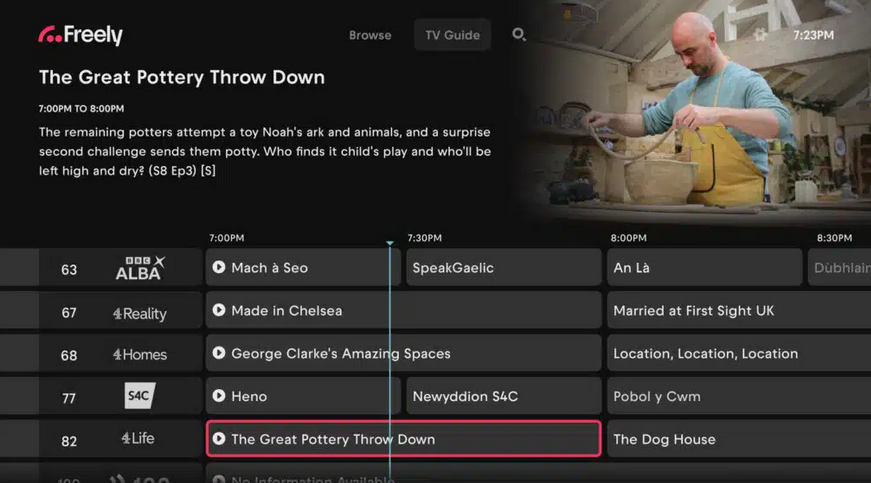
The government says it is committed to supporting a UK broadcasting landscape that can continue to succeed as technologies develop and the way audiences watch television changes. Electronic programme guides (EPGs) – the on-screen menus integrated into TVs, set-top boxes and apps – remain an important way for viewers to find and access content, and it is therefore essential that the framework which governs them works well, is proportionate, and is capable of adapting over time. This includes the regulatory system that underpins the UK’s broadcast landscape, where television in the UK is subject to a system of regulation overseen by Ofcom. This framework means that UK audiences can have confidence in the standards of the content that they enjoy, and that they will be appropriately protected from harmful programming.
In general, it is only the TV channels that appear on regulated EPGs that are subject to UK regulation. The EPGs regulated in the UK are described in legislation as those that were regulated at the point the UK left the European Union, and these are Freeview, Freesat, Sky EPG, Virgin Media EPG, and YouView EPG. This specification means that newer EPGs and many new channels are unregulated. Many unregulated EPGs can be easily accessed by audiences on their television sets. For example, in some cases they can be accessed through an already regulated EPG via a ‘portal’. They can also come preinstalled on some TV sets and connected devices.
The lack of protections in place for these newer unregulated guides and channels mean that there is now a range of potentially harmful content that could be shown on television. This includes programmes that would be unsuitable for younger audiences – such as those that include swearing or violence – being available before the watershed. Protections in place for regulated channels around duly accurate and impartial news and hate speech also do not apply. UK audiences cannot complain to Ofcom if they are concerned or affected by the content on these unregulated channels.
There are other benefits to audiences of regulation, including important requirements for regulated EPGs and regulated channels to provide accessibility features and for EPGs to provide appropriate prominence to designated public service channels. In addition, an inconsistent application of statutory regulation means that EPGs delivering similar and often competing services do not currently have to comply with the same statutory requirements. This means that there is not currently a fair competitive environment between similar providers.
The growth of internet-delivered TV means that viewers are moving away from a reliance on traditional regulated EPGs towards a range of newer platforms and services that are unregulated. This changing landscape ultimately means that Ofcom’s regulation of broadcast TV content could fall away over time, fundamentally undermining the UK’s broadcast regulatory system. Action is therefore needed to ensure that the UK’s robust system of regulatory protections and benefits for TV audiences keeps up to date with the evolving landscape.
Approach
The government believes that any regulatory change will need to be proportionate. An appropriate balance must be found between the objective of ensuring protections and regulatory benefits for audiences, with protecting freedom of expression and ensuring that regulation is not unduly burdensome on industry to support innovation and customer choice.
After considering the evidence, the government has decided to address the regulatory gap, described above, in two stages. The first stage will involve immediate action to address two key inconsistencies emerging in the current regulatory framework by utilising existing powers to introduce secondary legislation to regulate some additional EPGs. This stage will ensure consistency in the current application of the regulatory framework by making sure that EPGs delivered by an already regulated EPG provider, or portal services that are available through a regulated EPG, are effectively regulated. In making this decision, the government considered the response to the 2023 consultation on the regulation of additional electronic programme guides.
The government recognises that any action to address the growing regulatory gap will need to be proportionate and evidence-based. As part of stage two, the government will therefore launch work to further engage with Ofcom and industry to consider how to regulate the most popular and mainstream unregulated services going forward. This could include consideration of how an audience reach threshold could be used to capture these services under regulation. However, given the changing landscape and shift towards internet-delivered services with differing delivery models, this work will also consider the broadcasting regulatory framework more broadly and whether it will be proportionate and effective for these newer services.
Background and need for intervention
Broadcast regulatory framework
A regulated EPG lists and provides access to third-party linear TV channels. This traditionally takes the form of a listed ‘TV guide’ but modern EPGs often include recommendation and search functions.
Broadcast television in the UK is subject to a system of regulation overseen by the independent communications regulator Ofcom. Under the Communications Act 2003, in general only TV channels that appear on regulated electronic programme guides are subject to UK regulation. The EPGs regulated in the UK are described in legislation as the services that were regulated at the point that the UK left the European Union on 31 December 2020. As a result, currently the only regulated EPGs are Freeview, Freesat, Sky EPG, Virgin Media EPG, and YouView EPG.
Under the Communications Act 2003, the Secretary of State can bring additional EPGs under the existing regulatory framework by laying secondary legislation. This can be done either by designating specific providers, or by creating a description of a service in order to capture EPGs with certain characteristics.
Regulatory requirements
Regulated EPGs must comply with specific rules that provide benefits for audiences and channels. Regulated EPGs must ensure that all channels appearing on their service are appropriately licenced. In most cases this means that channels are required to hold an Ofcom broadcast licence. Licensed channels must comply with Ofcom’s Broadcasting Code, which ensures protections for audiences from harmful content. This includes rules on harmful or offensive material, rules to protect under-eighteens (including the watershed), and due accuracy and due impartiality on news content.
These rules ensure protections for audiences from potentially harmful content and give them the confidence that they, and those they are responsible for, can enjoy TV safely. It also means that audiences can complain to the independent regulator if they see something on TV that they are concerned about or affected by. This system of regulation is vital to the trust and confidence that UK audiences have in the standards of TV content that they access on a daily basis.
Channel providers must also be assessed by Ofcom to be fit and proper to hold a licence, including having procedures in place to handle complaints from viewers. Licensed channels must also comply with accessibility requirements which mean that within 10 years of becoming licensed they must ensure 80% of programmes are subtitled, 10% are audio described, and 5% are presented in (or translated into) sign language. These requirements mean that those with disabilities, particularly those affecting their sight or hearing, are able to enjoy TV content more easily.
As well as the channels that appear on them, there are also specific requirements for the regulated EPGs to comply with. This includes giving appropriate prominence to designated public service channels, which includes BBC channels, ITV1, STV, Channel 4, Channel 5, S4C and local television services. The prominence regime for linear broadcast TV means that public service content is easily accessible, providing benefits for audiences who can therefore easily find high-quality UK content. This also benefits the public service broadcaster channels who, in exchange, have additional obligations, such as the provision of news and current affairs programmes.
Regulated EPGs must also ensure that assistance is provided for people with disabilities, in particular those affecting sight, hearing, or both. This includes adjustments such as providing information about which programmes provide access services (subtitles, audio description, signing).
Finally, regulated EPGs are required to ensure fair, reasonable, and non-discriminatory treatment of the channels that appear on their service. These EPGs therefore cannot engage in any practice that Ofcom considers would be damaging to fair and effective competition in the provision of the licensed services. For example, under Ofcom’s code of practice on EPGs, they must publish and comply with an objectively justifiable method of allocating listings. This benefits broadcasters as it ensures fair treatment in their channel allocation.
These rules are set out in more detail in Ofcom’s code of practice for regulated EPGs.
The growing regulatory gap
The UK’s market for television content has seen significant shifts in recent years, with audiences increasingly accessing content on different services and via new technologies, including a shift towards watching content on-demand, and linear TV delivered online. Audiences are also increasingly using newer platforms and EPGs to access linear content.
UK audiences are also increasingly using connected or smart TVs and the growing number of services means that individuals have more choice than ever when deciding how and what to watch on TV. Ofcom research suggests that 74 per cent of UK households have a smart TV, and that the number of households solely relying on internet-delivered TV is growing. As part of this trend, free ad-supported streaming television (FAST) channels have grown. These are subscription-free linear channels, delivered over the internet but often consisting of content that has already been broadcast. Many are specialist channels focussed on a single programme or theme.
While these changes have brought clear benefits for consumers, including greater choice and more innovative, user-friendly services, the current fixed list of regulated EPGs means that many newer guides, and the channels carried on them, fall outside the regulatory framework.
A two stage approach to the future regulation of EPGs
Stage one
The powers set out in section 211A of the Communications Act 2003 allow the Secretary of State to update the list of EPGs, and therefore channels that appear on them, that are captured under existing broadcasting regulation. The government will take action to address two inconsistencies emerging in the current regulatory framework by utilising these existing powers. This stage will ensure consistency in the current application of the regulatory framework in two respects.
Firstly, the government will address an inconsistency in the regulation of EPGs, whereby some EPGs delivered by certain providers are regulated (due to being captured under regulation at the point the UK left the EU), while newer EPGs delivered by the same providers are not regulated. This creates inconsistency for providers and audiences. For example, Everyone TV operates Freeview and Freesat, which are both regulated EPGs, but their newly launched internet-delivered service Freely is unregulated. The government therefore intends to use secondary legislation to regulate all EPGs that are delivered by currently regulated EPG providers. The providers of currently regulated EPGs are: Everyone TV, Sky, Virgin Media, and YouView.
Secondly, the government is particularly concerned by the regulatory loophole currently being utilised by ‘portal’ services. These are unregulated EPGs that can be accessed via a channel slot on a regulated EPG. The government considers that portal services create a substantial potential risk of harm to audiences, and particularly children, where unregulated content can be accessed by audiences through a well-known and trusted regulated service, such as Freeview. It is the government’s view that EPGs and channels that can be accessed by an audience member through a regulated EPG should be regulated consistently.
The government notes the licence requirement for portal services delivered via digital terrestrial television (DTT) to present a warning to audiences that content on the service may be unregulated. However, given the ease of access to these channels, and the concerns set out about these being accessed by vulnerable audiences like children, the government considers this warning inadequate to ensure sufficient protections.
The government therefore intends to regulate portal EPG services that can be accessed via regulated EPGs, both under the existing framework, and EPGs newly regulated by virtue of the other measures set out in this statement.
These stage one measures will begin to address some of the inconsistencies emerging in broadcasting regulation. They will remove the inconsistencies in the regulation of services delivered by certain providers and ensure that audiences can consistently complain to Ofcom across similar services delivered by the same provider if they have concerns. This will mean that audiences can be confident that more content accessed via a regulated service will be held to the same standards of audience protection. The government will shortly lay secondary legislation to bring these EPGs under regulation.
The government believes that in considering the regulation of additional EPGs, focus should be on protecting UK audiences, and therefore on those services that attract UK-based audiences. This will ensure the most proportionate approach for Ofcom and providers, and is consistent with the approach currently being implemented for capturing Tier 1 video-on-demand services for regulation under the Media Act 2024.
With regard to the means of access by audiences, it is the government’s view that the focus of the regulation of EPGs should, at this time, be on those services that are accessible to audiences via a television set, or a streaming device attached to a television set.
This focus would not preclude the regulation of services that are available by other means in addition to being available on a television set, but would avoid the inclusion of services that are only available on other devices like smartphones and laptops. The government believes that the regulation of EPGs that are only accessible via the internet on devices other than a television set would, at this time with the appropriate evidence base, disproportionately expand the current scope of Ofcom’s regulation of EPGs and television channels. While devices like laptops and smartphones can be used to watch television content, this is not the main function of these devices, which are used for a wide range of other purposes like communication or browsing the internet.
Implementation
The government believes that an appropriate implementation period should be included before EPGs, and therefore channels newly captured by regulations, are required to comply with the broadcasting regulatory framework.
The government recognises that there will be administrative and operational factors that would be time consuming for these services to implement. However, it is important to balance the need for proportionality and the feasibility of implementation with the need to begin to update the regulatory framework to address regulatory inconsistencies and ensure services are required to follow the same rules.
The implementation dates will differ according to the circumstances of specific EPGs. If the EPG is provided by an existing regulated provider or a closely linked provider, they will have until 1 July 2026 (three months) to obtain a licence. If the EPG is in scope because it can be accessed through a regulated EPG, they have until 1 October 2026 (six months) to obtain a licence. Providers of any other service requiring a licence such as a television licensable content service (that is not an exempt foreign service) accessed via a regulated EPG, have until 1 April 2027 (one year) to obtain a licence.
Stage two
Alongside the specific inconsistencies to be addressed in stage one, the government recognises that the regulatory gap created by the development of new services is growing and is creating an increasing risk to audiences. More broadly, the government must also consider the long term impact that new, unregulated services entering the market will have on the effective regulation of television content. This will be particularly important as the growth of internet-delivered TV means that viewers are moving away from a reliance on traditional regulated EPGs towards a range of newer platforms and services that are out of scope of current regulation. The regulatory system for broadcasting in the UK is world renowned and is often looked to as an example of a system of fair, proportionate and independent regulation of content.
The government will therefore follow up the stage one intervention with further work to consider next steps in this area. The government intends to work over the longer term to consider how to consistently regulate mainstream providers delivering similar and competing TV-like services. This could include consideration of how an audience reach threshold could be used to capture these services under regulation. However, given the changing landscape and shift towards internet-delivered services with differing delivery models, this work will also consider the broadcasting regulatory framework more broadly and whether it will be proportionate and effective for these newer services.
The government recognises that any action to address the growing regulatory gap will need to be proportionate and evidence-based. To this end, the government will engage with key stakeholders in 2026 such as EPG and channel providers and Ofcom, as well as wider industry, to consider how to regulate these mainstream services going forward.
Other posts by :
- Laser terminals to operate at 100x faster
- Starlink success in Spain, but South Africa proves difficult
- RocketLab doubts over Mynaric bid
- IRIS2 free for government usage?
- Bank: AST SpaceMobile will orbit 356 satellites by 2030
- SpaceX launches 600th rocket
- Starlink: 10m customers and counting
- SES predicts end of ‘big’ Geo satellites
- Amazon Leo gets approval for 4,504 extra satellites