
BBC report highlights steep decline in UK children’s content
March 3, 2026
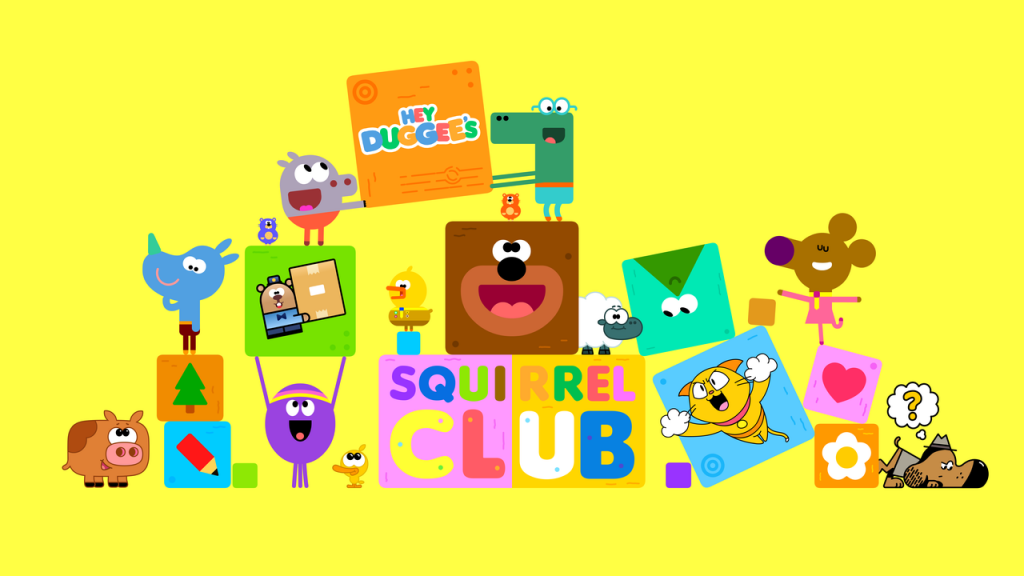
Analysis demonstrating the role the BBC plays to inform, educate and entertain children across the UK has been released.
The BBC continues to provide safe, age appropriate content at a time when the online environment is becoming increasingly fragmented, commercialised and risky for young people. But the report warns of an alarming decline in UK made children’s content and growing pressures on the wider children’s media sector.
The report also indicates across news, education and entertainment, the BBC reaches millions of children every week. This reach and universal availability ensures that children from all backgrounds have access to trusted information, culturally relevant storytelling and curriculum aligned learning resources.
Patricia Hidalgo, Director of BBC Children’s & Education, commented: “The impact we make in children’s lives and with their families is clear. And our ambition is simple: every child – wherever they live, whatever their background – should have access to trusted news, world class educational support and joyful, meaningful entertainment that reflects the UK’s diversity and creativity. To deliver that, we need a sustainable future for the wider children’s media sector. Without specific action, there is a real danger that the next generation will grow up without the culturally rooted, educationally rich and imaginative content they deserve. The BBC is working hard to meet their needs. But we cannot do it alone.”
A trusted lifeline for young people
The report reveals significant social and economic impact of BBC Children’s and Education:
- Newsround helps young audiences make sense of complex and sometimes frightening world events, reaching 3.5 million children weekly during term time and remaining the most trusted news source for 7-12 year olds.
- BBC Bitesize is the UK’s most trusted educational brand, supporting children in every nation and subject area. It reaches more than half of all 4-15s weekly and contributes to improved exam performance worth over £80 million in long-term economic benefits.
- Increased social mobility for children from lower socioeconomic backgrounds who take part in BBC educational campaigns. Children who received free school meals were more likely to end up in higher income (ABC1) groups as adults (58 per cent) than those who didn’t take part in educational campaigns (38 per cent).
- Television programmes across CBBC and CBeebies reflect children’s communities, ambitions and identities – nurturing informed citizens, confident learners and creative, curious young people.
- Cultural wellbeing benefits worth over £43 million annually, driven by children’s engagement with BBC arts, music and storytelling content.
- The BBC is the UK’s largest commissioner of original children’s programming, and this ecosystem supports 1,275 jobs in the UK production sector, with 85 per cent of commissioning spend directed outside London.
A sector under pressure
Despite its impact, the children’s media sector faces major challenges. Investment by UK public service broadcasters (PSBs) in children’s content has fallen sharply. Channel 4 has not commissioned a children’s programme for decades; ITV has closed its children’s channel and stopped commissioning; and Channel 5’s children’s output remains smaller than the BBC’s and focused on preschool.
Commercial broadcasters are not filling the gap, with Sky Kids recently ending their original children’s commissioning. Global streaming services are inconsistent in commissioning UK-originated children’s content, and inflation in production costs is placing further pressure on domestic supply. At the same time, Licence Fee revenue has declined in real terms, making it harder for the BBC to sustain the level of investment required for a thriving production ecosystem.
Policy action needed to secure the future of UK children’s content
Without intervention, the UK risks losing culturally important content that reflects children’s lives and supports national outcomes in education, wellbeing and cohesion. The BBC is calling for targeted action to strengthen the children’s media ecosystem, including:
- Modernised prominence rules to ensure UK children’s content can be easily discovered across platforms dominated by global providers.
- Support for trusted news, ensuring that impartial, age appropriate journalism is promoted on the platforms young people use most.
- Investment in UK storytelling, including enhancing the Children’s Television Tax Credit Relief and ensuring sustainable funding for the BBC.
- Stronger partnerships, enabling PSBs, commercial broadcasters, streamers and screen agencies to collaborate and co-commission content at scale.
Key statistics
- 1,275 UK jobs supported in children’s TV production
- 4x more commissioned hours of children’s TV by the BBC than all other UK PSBs, commercial broadcasters and global SVoDs combined
- 85 per cent of BBC children’s TV investment spent outside London
- £43 million wellbeing value annually for children aged 10–14
- 89 per cent of parents, whose children use BBC, surveyed say BBC children’s content supports their child’s learning
- £80 million economic benefit annually from Bitesize
- #1 trusted education brand (Bitesize)
- Increased social mobility for children from lower socioeconomic backgrounds who use BBC services
- #1 trusted news brand for children and parents
- 78 per cent of parents surveyed rate Newsround as good or very good at providing suitable news for their child.
The report was prepared in house by economists within BBC Policy and Public Affairs, the report draws on stakeholder interviews, BBC commissioned research on parents’ and children’s views, economic evidence from academic and industry publications, and wider desk research.
Other posts by :
- Markets braced for SpaceX IPO
- Eutelsat shares crash despite good news
- Analyst: Years of subs growth ahead for Starlink
- SES CEO: “Multi-orbit is now key”
- More details emerge on SpaceX IPO
- Viasat confident despite SpaceX threats
- Blue Origin launch pad destroyed
- AST SpaceMobile’s story “more than hype”
- Musk to merge Tesla with SpaceX?